
Sponsored ContentPartner ContentMon 17 Aug 26
Single Automation Platform Cuts Energy and OpEx Costs

Operating costs across Australia’s purpose-built student accommodation sector have risen about 23 per cent a year since 2022, according to Savills research, driven by rising utility and staffing costs.
That pressure is pushing many operators to look for ways to bring operating expenditure back into line with returns.
Konec executive director Jack Chang said addressing operating costs starts with how a building is run day to day.
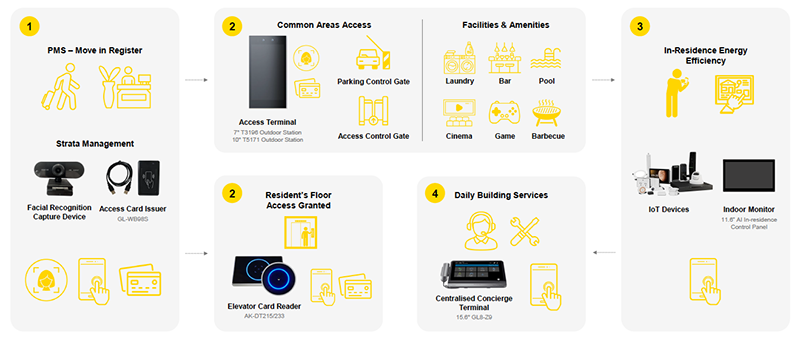
This can be done by consolidating a PBSA building’s access, energy and property management systems into a single interface, rather than the multiple separate vendor systems many operators currently run.
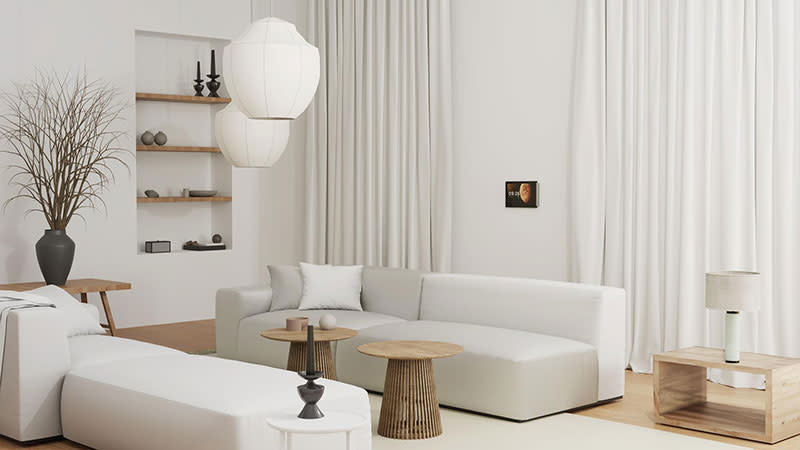
Residents use their phone for building entry, lift access and their room’s smart lock, alongside controls for lighting, climate and motorised blinds, through the Konec platform.
Direct integration with property management systems such as StarRez automates student onboarding from application through to move-in.
While most current deployments are in new PBSA developments, Konec said large-scale renovations, such as office buildings converted into student accommodation, present a similar opportunity for installation.
Energy savings and the bottom line
Student accommodation projects delivered with Konec’s platform have recorded average energy savings of around six hours per room per day, achieved by pairing human presence sensors with automated controls for air conditioning, lighting and general power outlets.
Rooms left unoccupied trigger an automatic shutdown of non-essential power, a feature Konec head of sales, enterprise and projects Al Farmer said addresses one of the largest recurring cost pressures for PBSA operators.
An energy savings performance report produced through Konec’s monitoring platform, drawn from a sample of managed buildings, recorded annual savings of 995,744 kilowatt hours across 498 devices, equivalent to $248,936 in avoided electricity costs.
With a typical system investment of $600,000, the payback period of investment capital would be 2.4 years.
And, with commercial utility rates continuing to rise, Farmer said the savings from its baseline energy reductions compound further each year.
“It is important to note, though, that every asset is different in terms of the hardware and platform configuration installed,” Chang said.
This focus on financial performance underpins how Konec frames its core offering.
“What we’ve been able to achieve with student accommodation specifically is to improve their net operating income,” Chang said.
Fragmented systems, he said, create ongoing friction beyond the initial procurement decision.
“When multiple platforms need to talk to each other and something goes wrong, operators end up relying on multiple parties just to resolve one issue,” he said.
“With Konec, developers get one partner accountable for the whole system, rather than chasing three or four vendors when something goes wrong.”
Flexible payment models
Konec offers developers a choice between capital expenditure and operating expenditure payment models.
Under the operating expenditure option, Farmer said the savings can outweigh the cost from day one.
“They can have our full solution for less than a dollar per room per day, but save $1.40 a day instantly on energy,” he said. “It’s a bit of a no-brainer once people actually know what’s available.”
Standing out in a crowded market
Competition for tenants near university campuses is also pushing operators to differentiate on more than price.
Konec’s platform includes PBSA-specific features such as event bookings and community functions, responding to the emphasis student accommodation operators place on lifestyle and community compared with other residential asset classes.
“In a market with this many choices for students, technology is becoming one of the ways buildings stand out,” Farmer said.
Chang said the aim is to improve more than day-to-day operations.
“We believe technology can improve how quickly rooms fill, how long residents stay and the price operators are able to charge,” he said.
Konec is currently deploying its platform across Freecity’s residential, industrial and student accommodation projects, including a modular PBSA development in Macquarie Park.
Freecity co-founder and joint chief executive Tony Sun credited the partnership with helping demonstrate “the full potential of smart buildings” across residential, industrial and commercial sites.
“We highly recommend Konec as a smart solutions provider,” Sun said.
The Urban Developer is proud to partner with Konec to deliver this article to you. In doing so, we can continue to publish our daily news, information, insights and opinion to you, our valued readers.